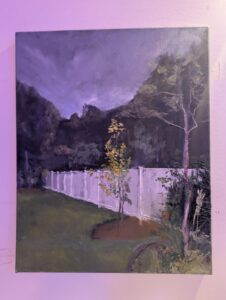

Oil Painting for Beginners: Real Advice I Wish Someone Had Told Me
If you are searching for oil painting for beginners, pull up a chair. I want to talk to you like a friend who has been through it, who has tried the weird advice, tossed what did not work, and kept what actually helps. When I first started, I heard a wild recommendation: for your first oil painting, pick a few colors and try to use the entire tube of paint. I do not know who thought that was a good idea. It turned me off so hard that I did not touch oils again for two years. This post exists so you do not waste those years. These are the beginner oil painting tips I give to anyone who asks, and the bad advice I hope you ignore.
Bad advice to ignore, the short list
“Use the whole tube.”
You do not learn control by flooding a panel. You learn control by making a small amount of paint do a lot of work. Most paintings need less paint than you think, especially when you are learning.
“You need a basket of mediums and solvents.”
No, you do not. You can paint with oils straight from the tube. A tiny bit of Michael Harding Miracle Medium is nice to have around, as it is solvent-free and odorless. Keep thinner simple. Gamsol behaves and keeps the room comfortable.
“Buy student grade to start.”
That is a great way to fight your materials. Artist-grade oils go further, mix cleaner, and feel better under the brush. You actually save money because you use less. If you want to try a good, affordable paint for beginners that is highly pigmented and spreads well, I would recommend this six pack of Lukas Studio Artist Oil Color Paints and includes the CMYK palette that Jolene talks about in this blog post.
“You need twenty brushes.”
You need one or two that you like, maybe a flat and a round, plus a palette knife for mixing. This Princeton Aspen Paintbrush, Black set is not cheap initially, but an excellent investment because these brushes are durable and, with proper care, will last for years.
What you actually need to start oil painting
I like minimal setups that still feel premium. You will be more consistent if you can set up fast and enjoy the first stroke.
- Surface that behaves: a rigid panel is easier than a bouncy canvas. I prefer oil-primed linen panels because the paint spreads like butter.
- Paint that pulls its weight: invest in artist-grade from a reputable brand. Lukas is affordable but if you are investing in quality supplies, Michael Harding, Williamsburg, Old Holland, and Gamblin’s artist line are solid.
- A tiny tool kit: a few brushes, a medium offset palette knife, paper palette or glass, shop towels.
- Simple cleanup: Gamsol for the jar, a solid brush soap, and a Silicoil tank if you want to keep brushes honest without abuse.
That is it. No chemistry set. No mystery bottles.
Why artist-grade oils make life easier
If you are serious about oil painting for beginners, the fastest improvement you can buy is better paint. Artist grade has more pigment and fewer fillers, so color mixes stay clean and vibrant. A small touch of Williamsburg Colbalt Teal can lift a passage in a way student paint cannot touch. You also get predictable drying times, better film strength, and fewer surprises as the painting cures. If you have ever wondered why a friend’s reds glow and yours look chalky, check the label. Higher pigment load is the difference.
A surface that helps you, not fights you
Rigid supports matter. On oil-primed linen, the brush glides, the knife skims, and the paint sits up instead of getting drunk by the ground. Oil ground is less absorbent than acrylic gesso, so colors stay luminous, blends feel silky, and you avoid those dead patches that sink overnight. Panels stay flat, edges stay honest. If you want decisive painting, make it easy to be decisive. A good oil-primed linen panel, like ours is a luxury.
A simple palette that covers a lot
Beginners get trapped by too many colors. Limit the set and learn how far it goes. For most people starting out, a tight palette opens more doors than it closes.
- Titanium White PW6
- A bright yellow you like, Hansa or Lemon
- A strong blue, often Phthalo Blue PB15:3 or Ultramarine PB29
- A clear red or magenta for clean violets and skin shifts
- Ivory Black for value control without killing color
With those, you can cover warm and cool notes, mix believable neutrals, and keep chroma alive. If you prefer earths, add Yellow Ochre and Burnt Umber. Keep the pile small and fresh. Clean the knife between mixes. Most mud comes from a dirty blade, not from the palette choice.
Solvent, mediums, and the truth about “fat over lean”
People complicate this. Early layers should be lean, which simply means less oil and more paint. Later layers can be a touch richer. If you are working alla prima, all in one session, the rule is mostly about not dumping a lot of oil into the mixture on the first pass. I keep mediums off the table unless a specific passage wants glide. Paint straight from the tube, condition with a little walnut or safflower during cleanup, and wash with dish soap.
A fast approach that still looks thoughtful
The best beginner oil painting tips are about reducing friction. Keep your decisions tight, and you will enjoy the session more.
- Start on a 9×12 or 12×12 panel so time stays on your side.
- Work large shapes before details. Think silhouette and planes.
- Decide warm or cool before you darken.
- Leave a few beginning marks visible at the end. The painting will feel alive.
None of this is fancy. It is practical. The point is to be painting, not second-guessing.
What to buy first, and what to delay
If you are building a kit for oil painting for beginners, spend smart.
Spend here first:
- Artist-grade Titanium White
- Two or three primary or CMYK colors with strong tinting strength
- A good panel, rigid and primed well
- One flat brush, one round, one palette knife
- Gamsol, brush or dish soap, and a Silicoil tank
Delay these:
- Large sets with fifteen colors that duplicate each other
- Alkyds and strong driers you do not understand yet
- Bargain bundles of brushes that shed in your paint
Buy fewer things, buy better versions, and you will paint more often.
Troubleshooting that actually helps
- Everything looks dull. You might be overmixing or overworking. Clean the knife, reload with fresh color, and introduce a warmer or cooler bias instead of more white.
- Edges look fuzzy. Switch to a rigid panel, wipe the brush between strokes, and sharpen only the edges that matter. And again, do not overwork your brushstrokes
- Drying feels random. Pigments control drying. Earths like umbers and ochres set faster, colors like ivory black, ultramarine, and alizarin take longer. Plan layers with that in mind. You can learn more in this blog post.
If you want to try the exact things I use
I keep this list short and trustworthy. These live on my cart because they do their job and get out of the way.
- Acrylic-primed or oil-primed linen panels for a responsive surface
- Williamsburg Cobalt Teal for warm light that still reads as real
- Michael Harding Miracle Medium for a safer but still effective medium
- Gamsol for a thinner that behaves and does not wreck the room
- Silicoil brush cleaning tank because clean bristles paint better
- Medium offset palette knife in stainless or tempered steel
Pick one panel, pick a few colors, pick two brushes, and start. The sooner the paint hits the surface, the faster your work will mature. That is the whole point of oil painting for beginners. Make a mark, look, make the next mark, and enjoy the part where the picture finds its breath.